
Understanding Your Rights During a Police Encounter
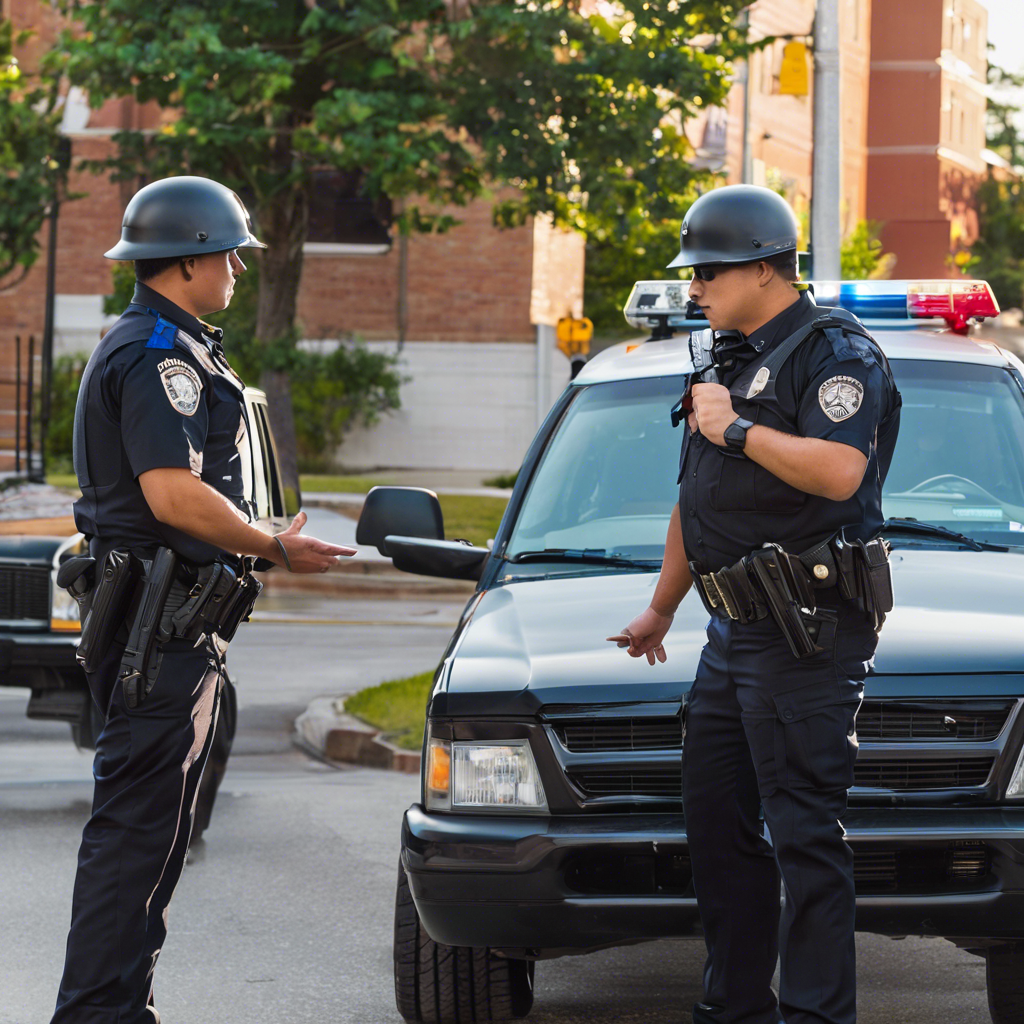
In today’s society, it is essential to have a clear understanding of your rights when encountering law enforcement. Knowing your rights can help protect you and ensure that your interactions with the police remain respectful and lawful. Whether you are stopped for a traffic violation, questioned in a public place, or approached at your home, being aware of your rights is crucial. Here are some key points to remember during a police encounter.
First and foremost, it is important to remain calm and composed during any interaction with the police. Stay respectful and cooperative, but remember that you have the right to remain silent. You are not obligated to answer any questions beyond providing your identification. If you choose to exercise your right to remain silent, clearly state that you are invoking this right.
Another critical right to be aware of is the right to refuse a search of your person, vehicle, or belongings. Unless the police have a warrant or probable cause to conduct a search, you can politely decline the search. It is within your rights to ask the officer if you are free to leave and to leave if you are not under arrest.
Moreover, it is crucial to understand that you have the right to legal representation. If you are taken into custody, you have the right to consult with an attorney before answering any questions. It is advisable to seek legal counsel as soon as possible to protect your rights and ensure fair treatment during the legal process.
Additionally, be mindful of your right to record the interaction with the police. In many jurisdictions, it is legal to record police officers carrying out their duties in public spaces. Recording can serve as valuable evidence in case of any misunderstandings or disputes about the encounter.
Furthermore, if you feel that your rights have been violated during a police encounter, it is important to document the incident. Take note of the officer’s badge number, patrol car number, and any other relevant details. You can file a complaint with the appropriate authorities or seek legal assistance to address any misconduct.
It is also essential to be aware of your rights if you are arrested. You have the right to know why you are being arrested and to be informed of the charges against you. Additionally, you have the right to remain silent and the right to a fair and speedy trial.
Moreover, if you are a minor or have a disability, you have specific rights that protect you during a police encounter. It is crucial to understand these rights and ensure that they are respected by law enforcement.
In conclusion, knowing and understanding your rights during a police encounter is crucial for protecting yourself and ensuring a fair and lawful interaction with law enforcement. By remaining calm, asserting your rights, and seeking legal counsel if needed, you can navigate police encounters confidently and responsibly. Stay informed, stay prepared, and stay safe.