
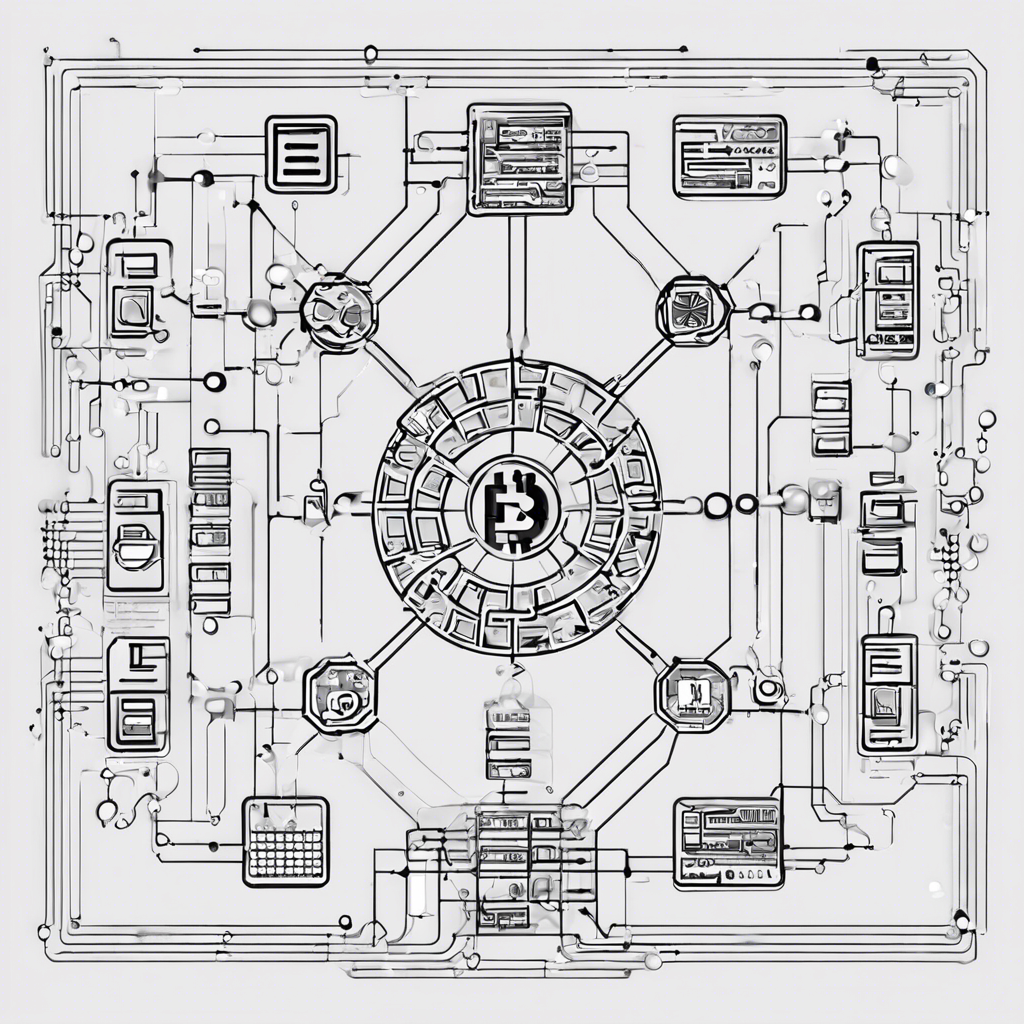
Blockchain technology has been making waves in recent years, revolutionizing various industries and sparking interest worldwide. But what exactly is blockchain, and how does it work? In simple terms, blockchain is a decentralized, distributed ledger technology that records transactions across multiple computers in a secure and transparent manner.
At its core, a blockchain is a chain of blocks, each containing a list of transactions. These blocks are linked together in a chronological order, forming a continuous chain. The decentralized nature of blockchain means that no single entity has control over the network, making it resistant to tampering and fraud.
One key feature of blockchain is its transparency. Once a transaction is recorded on the blockchain, it is visible to all participants in the network. This transparency helps ensure trust among users and eliminates the need for intermediaries in many processes.
To add a new block to the chain, transactions must be verified by network participants through a process known as consensus. This consensus mechanism ensures that all copies of the blockchain are in sync and that no fraudulent transactions are added to the ledger.
Blockchain technology uses cryptography to secure transactions and protect the integrity of the data stored on the network. Each block on the chain is encrypted and linked to the previous block, creating a secure and tamper-proof system.
One of the most well-known applications of blockchain is in the world of cryptocurrencies, such as Bitcoin. Blockchain technology underpins the operation of cryptocurrencies, enabling secure and transparent peer-to-peer transactions without the need for a central authority.
Beyond cryptocurrencies, blockchain has the potential to revolutionize various industries, including finance, supply chain management, healthcare, and more. By providing a secure and transparent way to record transactions, blockchain can streamline processes and reduce costs.
Smart contracts are another exciting application of blockchain technology. These self-executing contracts are stored on the blockchain and automatically execute when predefined conditions are met, eliminating the need for intermediaries and reducing the risk of fraud.
While blockchain technology offers many benefits, it is not without its challenges. Scalability, energy consumption, and regulatory concerns are just a few of the issues that need to be addressed as blockchain continues to evolve and expand into new areas.
In conclusion, blockchain is a groundbreaking technology that has the potential to transform the way we transact and interact with each other. By providing a secure, transparent, and decentralized platform for recording transactions, blockchain is paving the way for a more efficient and trustworthy digital future.